
How To Choose A Fitness Programme That Fits Your Life

Updated: Sep 17, 2025

Navigation
In episode six of The Style for Life podcast, Stephanie Rumble shares a refreshingly honest account of her own fitness journey—from a non-athletic teenager to a seasoned personal trainer and group fitness instructor. With over 30 years in the health and wellness industry, Stephanie brings a down-to-earth approach to building a sustainable workout routine that actually fits your life.
Whether you're starting from scratch or looking to refine your current routine, this article will help you understand how to choose a fitness programme that works for your goals, lifestyle, and preferences.
Understanding Your "Why" Before You Work Out
Before you start researching the "best" workout programme at home for women or signing up for the latest bootcamp, ask yourself a key question: why do you want to get fit?
“Fitness is infinite. There's always another level, but you don’t have to be an elite athlete to start.” ~ Stephanie Rumble
Stephanie emphasises that the purpose behind your fitness efforts is the foundation of long-term consistency. It could be:
Improving your physical fitness
Losing or managing weight
Managing stress
Gaining strength and mobility
Increasing social connection

Being clear about your motivation helps guide your choices and ensures your fitness journey feels meaningful. It also prevents you from bouncing between programmes that don’t align with your real needs. For example, if your goal is stress relief, you may be better served by gentler activities like walking or swimming rather than high-intensity circuits.
Consistency is far more important than intensity or perfection. As Stephanie puts it, "Fitness is infinite." There's always another level, but you don’t have to be an elite athlete to start. You just have to start somewhere that works for you.
How Do You Choose A Fitness Programme That Lasts
So, how do you choose a fitness programme that sticks? Stephanie suggests making sure it's:
Enjoyable
Practical to fit into your daily life
Appropriate for your current strength levels and fitness goals
Flexible enough to accommodate travel, holidays, and life changes
“The real measure of progress is not just appearance but also strength, stamina, and overall wellbeing.” ~ Stephanie Rumble
When choosing a fitness programme, consider what you’ve enjoyed doing in the past—even if it was years ago. Think about the movement styles that felt fun, energising, or satisfying. You don't need to dive into complex regimes. Even simple routines done consistently can change your life.
A sustainable workout routine starts with understanding what you actually like doing. If you hate the gym, don’t force yourself onto a treadmill. If you enjoy music, dance-based workouts or group fitness classes might be a better fit.
Questions to Ask Yourself:
Can I do this workout even when I’m busy or tired?
Will this fit with my job, family, or travel schedule?
Does this make me feel good physically and mentally?
Is it something I can imagine doing for the next five years?
The more your routine feels like something you choose, rather than something you "have" to do, the more likely you are to sustain it. Take your preferences seriously—they matter more than the latest trend.
Popular Sustainable Options Include:
Group fitness classes (e.g. Les Mills, Zumba, spin)
Home workout routines using apps or YouTube
Outdoor activities like hiking or biking
Personalised programmes from a personal training coach
Functional fitness or light resistance options
Start where you are. Build on what you already like or can easily access. Small changes made consistently are more effective than giant leaps you can’t maintain.
Why Group Fitness Classes Work For Many
Group fitness classes are a great entry point for beginners and a motivator for those needing accountability. They remove a lot of the friction people experience when trying to exercise alone, especially when motivation runs low.
These classes offer:
Built-in scheduling and routine
Music and energy that keep you going
Camaraderie and a social outlet
Professional guidance on form and technique

Stephanie teaches Les Mills Core three times a week, which she describes as a perfect combination of strength and mobility work using body weight and bands. Group classes are a fantastic way to stay consistent and connected.
Another major benefit is the element of community. Having familiar faces in your class or instructor-led encouragement makes it easier to show up. If you’re not sure where to start, ask around or try a beginner-friendly class in your area.
They also help you build strength without needing a gym membership or bulky equipment. This is ideal for anyone building a workout programme at home, especially women who want flexibility.
Running For Beginners: Start Slow, Stay Consistent
If you're considering running for beginners, Stephanie's advice is simple: start by shuffling.
You don’t need to sprint or run marathons. Just a gentle jog around the block is enough to start. Stephanie began her own running journey with 1km runs, building slowly over time. The emphasis is on moving, not winning.
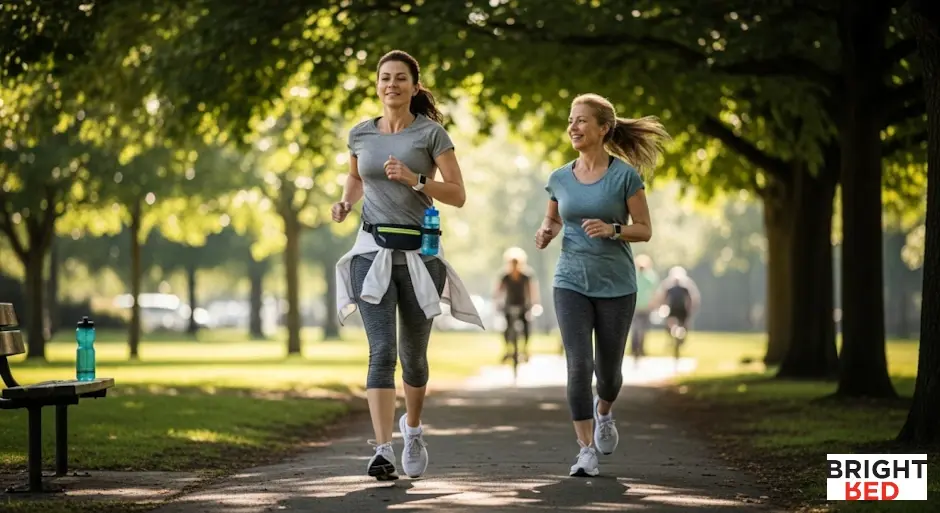
“Start by shuffling. You don’t need to sprint or run marathons to begin.” ~ Stephanie Rumble
Tips for Starting a Running Habit:
Invest in proper running shoes
Start with short run/walk intervals
Run at a conversational pace
Notice your progress over time rather than focusing on speed
Make it social when possible
The most common mistake beginners make is going out too hard, too fast. Running is a form of endurance that takes time to build. Listen to your body, give it time to adapt, and celebrate every small win. Paired with diet and exercise plans for beginners, running can be an accessible way to improve your overall health.
WHO Fitness Guidelines: How Much Is Enough
The World Health Organisation fitness guidelines suggest adults should aim for:
150–300 minutes of moderate aerobic activity per week
OR 75–150 minutes of vigorous aerobic activity
PLUS two days per week of strength/resistance training
This breaks down to just 20–45 minutes of movement most days. Stephanie stresses that you don’t need long workouts, just consistent ones.
What Counts as Physical Activity:
Brisk walking
Dancing
Gardening
Resistance band workouts
Climbing stairs
What matters is effort. If you're moving with intention and breaking a light sweat, you're contributing to your health. These activities also support the benefits of physical activity that go far beyond weight control, including better sleep, reduced anxiety, and lower blood pressure.
How Long Does It Take To Get Fit
A common question is: how long does it take to get fit?
“Fitness isn’t about becoming someone else. It’s about becoming the strongest, most confident version of yourself.” ~ Stephanie Rumble

The answer varies depending on your starting point, your consistency, and your goals. Some people may notice improvements in energy and mood quite quickly, while physical changes can take longer. Stephanie emphasises that the real measure of progress is not just appearance but also strength, stamina, and overall wellbeing.
Tracking gains in fitness, energy, sleep, and mood can be just as rewarding as tracking weight. Remember: fitness is a lifelong investment, not a 30-day challenge.
Exercise For Weight Loss: The Real Talk
Stephanie offers a compassionate take on exercise for weight loss. It works best when paired with nutritional changes and lifestyle support.
Rather than promoting diets, she encourages clients to:
Reframe their relationship with food and exercise
Focus on gradual change, not crash diets
Prioritise stress and sleep management
Exercise helps maintain a healthy weight, but it's not just about the number on the scale. It’s about energy, mood, and living longer, healthier lives.
If you’re new to fitness, start with a routine that’s simple and easy to follow. There are no shortcuts, but there is a clear path: consistency.
Lifestyle Change Over Quick Fixes
This episode strongly promotes lifestyle change over short-term results.
Stephanie shares stories of clients who made incredible progress by committing to long-term change, including one woman who lost 35kg and completed a 10km event.
Success, she says, comes from:
Small, sustainable steps
Building habits slowly
Replacing old routines with healthier ones
“Consistency matters more than intensity.” ~ Stephanie Rumble
The beauty of lifestyle change is that it doesn’t rely on motivation alone. It becomes automatic. And once that happens, maintaining your health and wellness goals becomes significantly easier.
For those who want to build more than fitness habits, Bright Red also provides professional workshops and education programmes that focus on wellbeing, resilience, and practical tools for everyday life.
What Is A Good Workout Routine: Consider These Elements
It’s one that balances:
Cardiovascular activity (e.g., walking, running, biking)
Strength training (bodyweight, resistance bands, light weights)
Flexibility and mobility (yoga, stretching)
Rest and recovery
Stephanie recommends scheduling workouts like appointments. Write them in your calendar and protect that time. Treat them as non-negotiable acts of self-care.
If you prefer flexibility, use a home workout routine or fitness app. If you need support, try personal training or group fitness classes.
A good workout routine is one you can stick to, adapt when needed, and actually enjoy. It should grow with you and support your evolving fitness goals without feeling like a burden.
Final Thoughts: Build A Life Not Just a Body
Stephanie’s story is proof that anyone can become active, no matter their background. She didn’t start with talent or interest in fitness. What she developed was a mindset: commitment, self-respect, and consistency.
From routines that are simple and easy to follow to structured workout routines for weight loss, what matters most is making it your own. Use the benefits of physical activity as motivation, not punishment.

Whether you’re starting with a walk around the block, joining group fitness classes, or creating your first home workout routine, what matters most is that you begin.
Fitness isn’t about becoming someone else. It’s about becoming the strongest, most confident version of yourself.
If you’re ready to take the next step, Stephanie also offers personal and commercial styling and inspirational speaking engagements to help you transform both your health and your personal presence. As Stephanie would say: just start. Then keep going.
Listen on Spotify
Frequently Asked Questions
What is the best way to choose a fitness programme that lasts?
Stephanie explains that the best way to choose a programme is to first understand your “why”. Knowing whether you want to improve your health, manage weight, or reduce stress makes it easier to stay consistent. She also suggests focusing on activities you actually enjoy, as these are the ones you’re most likely to stick with over time.
How do group fitness classes help with motivation?
According to Stephanie, group fitness classes offer accountability, routine, and energy that help people show up and stick to their exercise. Classes also bring a sense of community, with music and encouragement making workouts more enjoyable. The guidance from an instructor ensures you learn proper form and feel supported.
What is the best way to start running for beginners?
Stephanie’s advice for beginners is simple: start with short, slow jogs or “shuffles” and build gradually. You don’t need to sprint or go far to begin seeing benefits. She also highlights the importance of good shoes and paying attention to how your body feels so that you can improve steadily without burning out.
How much exercise do the WHO fitness guidelines recommend?
Stephanie refers to the World Health Organization guidelines, which suggest 150–300 minutes of moderate exercise per week, or 75–150 minutes of vigorous activity, plus two sessions of strength training. She notes that this breaks down to a manageable amount most days, and consistency matters more than intensity.
How long does it take to notice fitness results?
Stephanie doesn’t put a timeframe on results, because it varies from person to person. Instead, she encourages people to notice progress in areas such as energy, confidence, or comfort in clothing. Physical change may come later, but improvements in wellbeing and mindset are often felt much sooner.
How does exercise support weight loss?
In the podcast, Stephanie explains that exercise can help with weight management, but it’s not just about food and workouts. Stress, sleep, and mindset all play a role, and long-term results come from lifestyle change. She shares stories of clients who have achieved success by gradually shifting habits and building confidence, rather than chasing quick fixes.
Why is lifestyle change more effective than quick fixes?
Stephanie stresses that lifestyle change is far more powerful than short-term diets or intense bursts of activity. She shares examples of clients who transformed their lives through small, consistent steps that became permanent habits. Once those changes are in place, maintaining results becomes much easier.
What makes a good workout routine?
A good routine, Stephanie suggests, is one that balances different types of activity and fits into your life. It should be enjoyable and realistic, so you can keep it up consistently. Whether it’s walking, strength work, or flexibility training, the important part is choosing activities that help you feel good and support your long-term goals.
How can accountability coaching help with fitness goals?
Stephanie has developed her accountability coaching to walk alongside people as they change their habits. She helps clients rethink their relationship with exercise and lifestyle choices so that they feel supported every step of the way. Having someone to check in with makes it easier to overcome obstacles and stay consistent.
Can Bright Red help with more than just fitness?
Yes. While fitness is a key focus, Stephanie’s accountability coaching is designed to help people with their health, weight, and lifestyle goals in a supportive and sustainable way. Beyond coaching, Bright Red also offers workshops, education programmes, styling, and speaking engagements. These services work together to support both personal growth and professional development, helping you feel more confident inside and out.


Comments