
Weight Loss Story: A Mother’s Journey from Exhaustion to Empowerment

Navigation
In this inspiring episode of the Bright Red podcast, Stephanie Rumble shares a transformative weight loss story that captures what real change looks like when women prioritise their health. She is joined by Melody, a client who signed up for a six-month accountability coaching programme and experienced a profound shift not only in her body but in her confidence, energy, and identity.
As a seasoned coach, fitness instructor, and style expert, Stephanie walks us through Melody’s journey, highlighting the common struggles many women face on their fitness journey—from feeling tired all the time to navigating post-pregnancy bodies, time constraints, and motivation slumps.
Through this emotional and motivating dialogue, Stephanie and Melody offer actionable advice for women who are ready to embrace sustainable weight loss. This episode is not just about shedding kilos—it’s about building lasting fitness habits, resetting your health mindset, and taking control of your life again.
How to Start Exercising Again When You Feel Stuck
The hardest part is often getting started. Stephanie and Melody highlight how intimidating it can be to start exercising again after long periods of inactivity, particularly after having children or experiencing health issues. Melody candidly shares how she initially felt overwhelmed, lacking energy and unsure of where to begin. She had been doing weight training which was a great start but this had not been enough for her to achieve her health goals.
“Humans have evolved to tolerate a high level of activity, but we also gravitate towards rest to conserve energy.” ~ Stephanie Rumble

Stephanie’s advice is simple: start small. A short walk, some body weight training or a light session on a spin bike is enough to spark momentum. Once you build the habit, it becomes easier to maintain.
Starting again can bring up emotions like guilt, embarrassment, or self-doubt. These feelings are normal. What matters is shifting the focus away from the past and putting energy into the small decisions made today.
Common reasons women delay exercise include:
Prioritising work or family over health.
Waiting for motivation to magically appear.
Assuming you need a full hour to make it worthwhile.
Embarrassment or discomfort in public fitness spaces.
Making time in the morning, even if it’s just a 30-minute window, is often more effective than trying to fit it in later. As Stephanie says, you don’t need to feel great to start—you just need to start.
Accountability Coaching and Habit Change
Accountability coaching is the heart of Stephanie’s approach. Melody credits this support as the turning point in her weight loss journey. With regular check-ins, a structured plan, and personal encouragement, Melody found the strength to stay committed—even when life got busy or challenging.
Stephanie’s coaching isn’t about extreme routines or rigid schedules. It’s about fitting fitness into your real life. That means creating routines that work whether you’re a mum, a shift worker, or recovering from an injury.
Benefits of accountability coaching:
Personalised weekly check-ins.
Building consistency over perfection.
Learning how to shift your health mindset.
Planning workouts that suit your life stage and schedule.
This approach also supports identity shifts. Melody didn’t just see herself as someone who “should” work out. She began to see herself as a woman who does take care of herself. That subtle change in mindset helped create long-term transformation.
Fitness Motivation: Finding Your Why
Finding fitness motivation isn’t always easy. Stephanie explains that motivation often comes after you begin—not before. Melody shares how she started with hesitation, and over time began to notice the benefits that regular movement brought.
“If you are struggling to find motivation, focus on building the habit muscle until exercise becomes a natural part of your daily life.” ~ Stephanie Rumble
Ask yourself:
Do I want to have more energy for my kids?
Do I want to feel more confident in my clothes?
Am I tired of feeling sluggish and uncomfortable?
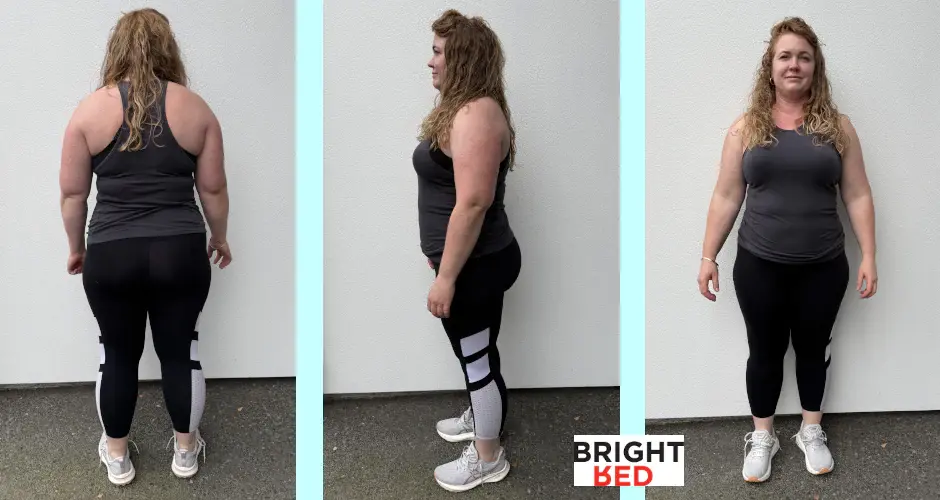
These questions help uncover your personal “why.” For Melody, it wasn’t about looking a certain way—it was about showing up as a better version of herself, with more patience, presence, and peace of mind.
Exercise becomes easier when you tie it to something deeper, like managing cholesterol, avoiding high blood pressure, or improving your mental wellbeing.
Stephanie encourages women to track how they feel after a workout. The release of endorphins, improved focus, and better sleep help reinforce a positive loop of motivation.
“Notice the post-exercise endorphins and the stress relief to build positive associations with moving your body.” ~ Stephanie Rumble
Creating Fitness Habits That Stick
Consistency is everything. Building fitness habits is less about willpower and more about having a structure that works. Stephanie recommends habit stacking—pairing a new behaviour with something you already do.
Examples of habit stacking include:
Going for a walk while on a phone call.
Doing resistance training after brushing your teeth.
Laying out gym clothes the night before.
Habit stacking works because it removes friction. Instead of waiting for the perfect moment, it builds action into your day. Melody used these kinds of simple cues to help herself stay on track, especially on busy days.
Stephanie also suggests tracking workouts using a smartwatch or fitness journal. Seeing your progress over time keeps motivation high—especially when weight loss stalls. If you miss a day, don’t give up—just pick up where you left off. Long-term change is built on consistency, not perfection.
Weight Loss Before and After: What Changes Beyond the Scale
While many women start with the goal of losing weight, the true transformation runs deeper. In her clients’ weight loss journey, Stephanie often sees changes in confidence, mindset, and daily choices. Melody describes how her internal growth was just as powerful as the visible changes.
“Self-care often takes a backseat, and looking after yourself means you have the strength to look after others.” ~ Stephanie Rumble
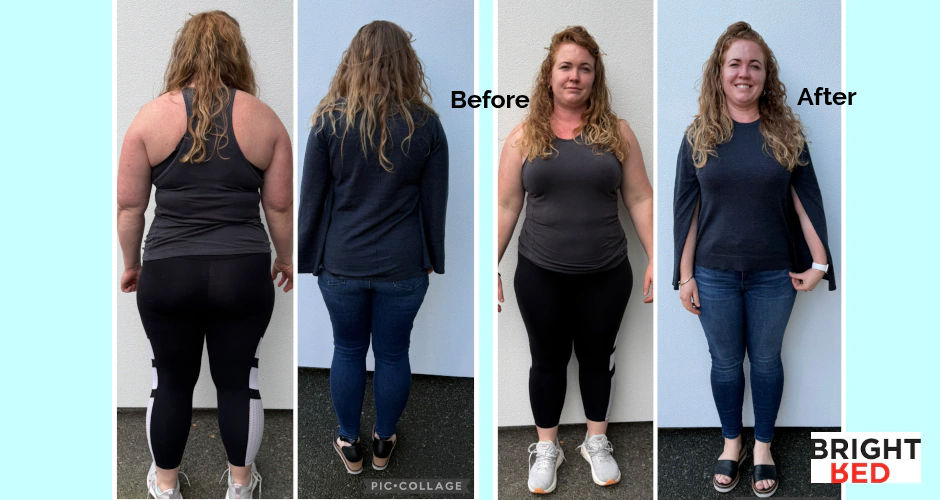
She highlights the importance of non-scale victories:
Clothes fitting better.
Much improved mental health - feeling happier and more confident.
Improved mobility and flexibility.
Reduced sleep apnea symptoms.
Steadier energy levels throughout the day.
These kinds of wins gave Melody more motivation than any number on a scale. She began feeling capable, balanced, and in control. That energy flowed into her parenting, relationships, and work life. Weight loss before-and-after transformations aren’t just about appearance—they’re about how you live, think, and feel each day.
Sustainable Weight Loss: No Dieting, Just Real Life Adjustments
Stephanie’s method focuses on sustainable weight loss, not restrictive fads. If you’re looking for an encouraging, personalised approach to health, you can learn more through her dedicated service for weight loss coaching in New Zealand. Her clients don’t follow trends like or eliminate entire food groups. Instead, they work on simple, consistent strategies like meal prep and eating with energy and balance in mind.
“Exercise often helps to give you energy, even when you feel too tired to start.” ~ Stephanie Rumble
Melody shared how this practical approach helped her avoid burnout and binge cycles. She stopped seeing food as “good” or “bad” and instead made choices that supported her health and lifestyle.
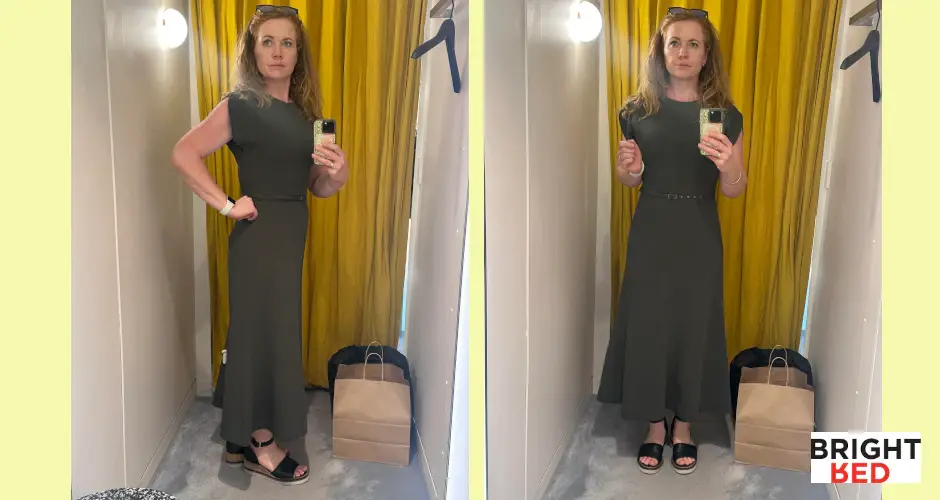
This included addressing sugar crashes, emotional eating triggers, and eating habits that weren’t serving her. Stephanie’s coaching helps women take a more compassionate and realistic approach to food.
Sustainable weight loss includes:
Preparing simple, nourishing meals.
Eating to support activity levels.
Listening to hunger and fullness cues.
Creating sustainable habits—not rigid rules.
These long-term changes don’t just help with weight—they improve digestion, mood, and overall wellbeing.
Building a Home Gym That Works for You
For many mums and busy women, getting to the gym regularly just isn’t realistic. Stephanie recommends building a basic home gym setup that makes it easier to be consistent without the commute.
“When you haven't exercised for a long time, it’s going to feel hard at first—just focus on what you are enjoying in the moment.” ~ Stephanie Rumble
You don’t need expensive gear to get started. Try adding:
A yoga mat.
Resistance bands.
Dumbbells or kettlebells.
A spin bike if your budget allows.
Melody’s turning point came when she stopped waiting for the perfect environment and started with what she had. Stephanie also offers practical advice and tools to help clients build fitness confidence right at home—an approach explored in her body shape consultation service, which pairs beautifully with movement planning. Over time, her home gym became a space of empowerment. This was just a simple corner of her garage, and she found that she could escape there in the mornings before the kids woke up and the busy day started.
Having a dedicated space removes excuses. When your equipment is visible and within reach, it’s far easier to follow through.
Exercise for Mums: Overcoming Guilt and Time Constraints
A common challenge for women, especially mums, is feeling guilty for taking time for themselves. Stephanie challenges that mindset by reframing exercise as essential self-care, not a luxury.
She shares how she would wake at 5:30am to exercise before her husband left for work and her four kids woke up. This simple act was an investment in her energy, mindset, and capacity to show up for others.
“Squeezing exercise in at the end of the day is often much harder than simply getting up and getting it done.” ~ Stephanie Rumble
Melody found her rhythm by creating flexible pockets of time for movement. Some days it was a 30-minute lunchtime walk; others, a full workout. The key was maintaining a clear connection to the goals she had set for herself.
Eventually, Melody noticed the benefits extending beyond herself. She felt proud of the example she was setting and more connected to the version of herself she was becoming.
Strength Training, Cardio and Variety in Workouts
Stephanie encourages women to embrace both strength training and cardio as part of a well-rounded routine. Each form of exercise has unique benefits:
Strength training builds lean muscle, supports joints, and increases metabolism.
Cardio enhances heart health, endurance, and fat burning.
Melody didn’t begin with high-intensity workouts. She experimented gradually, finding confidence through variety. She was initially reluctant to go back to the gym but as her body had changed and confidence increased she gravitated back to some strength training to pair with the cardio that she had established as a habit.
What worked so well for Melody was that her metabolic engine had been established with her resistance training background and when she layered in the cardio her body responded and her health started to improve.
Running a 5K or Setting Fitness Goals
Having a clear goal gives your workouts purpose. Stephanie often encourages clients to aim for milestones like a 5K run, not for competition, but to build momentum and pride. One goal that worked well for Melody was participating in Park Run—a free, weekly community event that encourages people of all levels to walk, jog, or run at their own pace. It gave her structure, a supportive environment, and the chance to track her progress over time.
Rewards can enhance motivation:
Some stylish workout gear that you feel good in.
A relaxing spa visit.
A celebratory colour analysis consultation or style session - we completed Melody’s colours at the halfway mark.
For Melody, her goal wasn’t to win races—it was to feel strong and energised in her everyday life. That purpose helped her show up on tough days and celebrate progress with joy.
Final Thoughts
Meldoy’s weight loss story podcast episode is a powerful example of how mindset, movement, and support can transform a life. Through honest conversation and real-life wins, she shows that fitness isn’t about extremes. It’s about showing up consistently, with compassion.
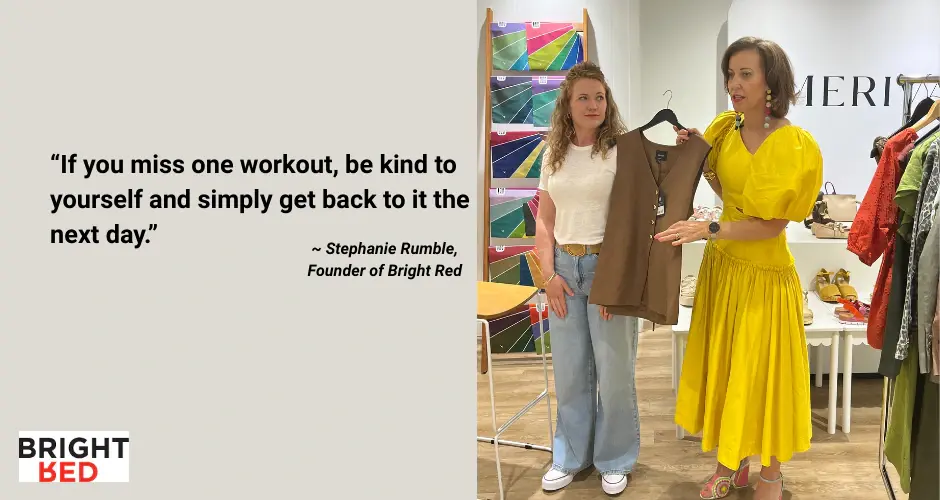
With Melody’s transformation at the centre, the episode illustrates how accountability coaching and habit-building can shift your identity, reignite your energy, and help you feel confident in your body again and give you a new lease of life.
Whether you're starting from scratch, recovering from physical inactivity, or juggling the demands of motherhood, this story reminds us that change is possible, and that you don’t have to do it alone.
Stephanie’s work at Bright Red is more than coaching. It’s a catalyst for deep personal change. You can also explore her popular fashion stylist training in NZ if you're looking to reinvent your career or support others through transformation.
Your journey might begin with fitness, but the impact extends far beyond.
If you’ve been waiting for the right moment, this might just be it.
Listen on Spotify
Frequently Asked Questions
What are the first steps to start exercising again?
Starting small is key. A short walk, light stretching, or a 30 -minute home workout can help build momentum. The important thing is to commit to something achievable and build confidence from there.
How can I stay motivated to keep exercising?
Staying motivated comes from focusing on how good you feel after a workout. Setting personal goals and tracking progress helps too. Many people benefit from having accountability, like working with a coach or setting regular routines.
What is accountability coaching and how does it work?
Accountability coaching provides personalised support to help you stay consistent with your health and fitness goals. At Bright Red, coaching includes weekly check-ins, practical planning, and mindset strategies that fit your lifestyle.
What are some easy ways to fit in exercise with a busy schedule?
You can pair exercise with your daily routine—like walking while on a phone call or doing resistance training after brushing your teeth. It doesn’t have to be long; short, consistent sessions build results over time.
Why does mindset matter when trying to lose weight?
Your mindset shapes your habits. A positive, health-focused mindset helps you overcome excuses, celebrate progress, and stay motivated. Coaching can help shift your mindset so fitness becomes a natural part of your life.
Can I start strength training if I’ve never done it before?
Absolutely. Strength training can start with bodyweight exercises or light weights at home. It’s suitable for all fitness levels and plays a big role in boosting energy, metabolism, and confidence. It is also recommended that you seek professional help to set up a safe programme for your body to prevent injury.
How do I build a home gym without spending a lot?
You only need a few basics like a yoga mat, resistance bands, and a set of dumbbells. A home gym setup removes many common barriers and helps you stay consistent without needing to travel. This is great if you have family or work commitments.
What are non-scale signs that my health is improving?
Feeling more energised, improved sleep, better mood, more energy, and clothes fitting more comfortably are all great indicators. These non-scale victories often reflect deeper progress than the number on the scale.
How can exercise help with work-life balance?
Exercise creates space to recharge mentally and physically. It boosts productivity, reduces stress, and builds resilience—all of which contribute to a more balanced, energised life.
Is it possible to enjoy fitness if I’ve never liked exercise before?
Yes. Finding something you enjoy—like walking with a friend, dancing, or following along to a class—makes it easier. With support and habit-building, fitness can become something you genuinely look forward to.


Comments